
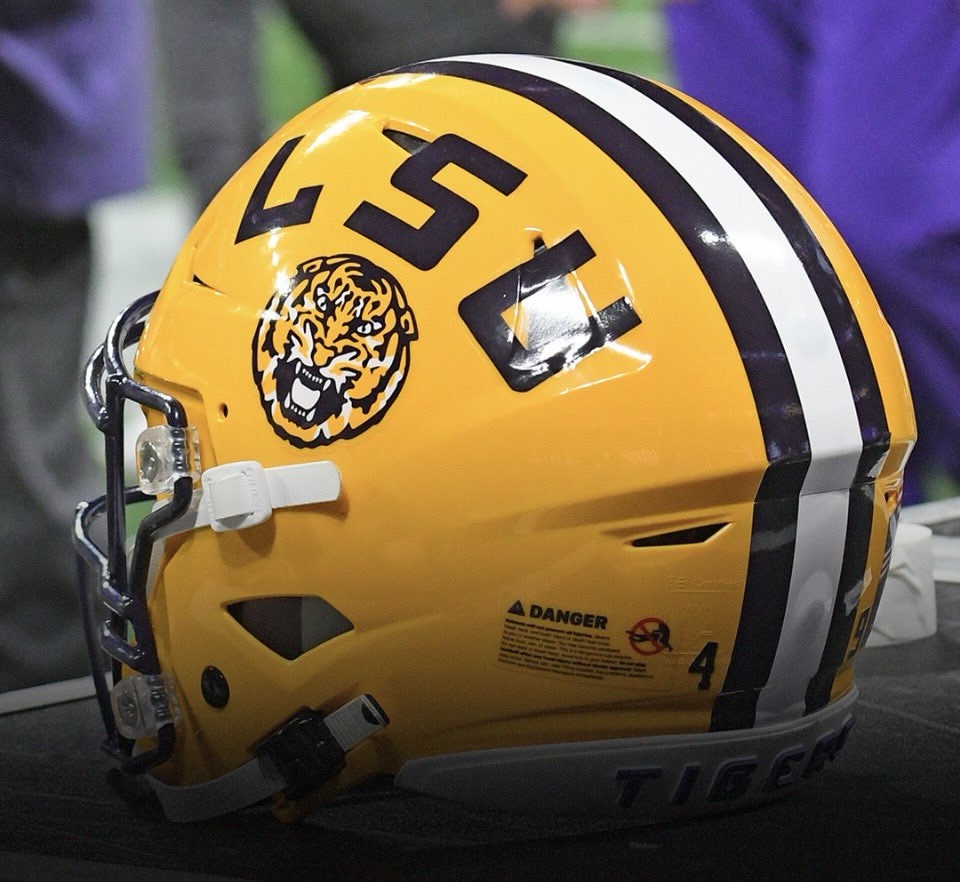
The college football eligibility fight just took another dramatic turn, and now the ball is firmly in LSU’s hands.
Judge William Jorden granted a preliminary injunction Thursday evening that clears the way for more than 40 athletes from the 2022 recruiting class to pursue another season of college eligibility. That group includes former Ole Miss players Dae’Quan Wright and Zxavian Harris, who signed NFL contracts before being released and committing to rejoin their former coach, Lane Kiffin, at LSU. (reuters.com, apnews.com)
The ruling does not permanently settle this fight. There will almost certainly be appeals, additional hearings, and enough legal paperwork to keep attorneys busy for the foreseeable future.
However, as of Thursday night, Wright and Harris are cleared to return to college football.
Now LSU has to decide whether it is willing to put them on its official roster, which must be submitted to the SEC on Friday.
That decision could send a shockwave through college football.
This is no longer a hypothetical argument about whether former professional players should be allowed to return. It is no longer a television debate involving commissioners, coaches, lawyers, and talking heads.
LSU now has two players standing at the door with a court order clearing the way for them to enter.
Does LSU open that door?
I believe it will.
Lane Kiffin has never been afraid to push a rule to its limit. He has repeatedly said that his responsibility is to do what is best for his football team and his players. If a judge says these players are eligible and LSU has room for them, I cannot imagine Kiffin suddenly backing away because other coaches and administrators are uncomfortable.
The timing makes this even more explosive.
LSU opens the season against Clemson on Saturday night. Wright has reportedly already been practicing with the Tigers, and he has indicated that he expects to be added to the roster and play against Clemson. Whether either player is prepared to make an immediate contribution remains to be seen, but their availability would give LSU two experienced additions at positions where depth matters. (saturdayblitz.com, saturdaydownsouth.com)
Wright is a veteran tight end who previously played for Virginia Tech and Ole Miss. Harris is a massive defensive lineman who also played at Ole Miss before signing with the New Orleans Saints.
These are not high school prospects who need two years of development. They are physically mature players who have been through college football and spent time inside NFL organizations.
That is exactly why the SEC has fought so hard to prevent their return.
The conference argues that allowing players who signed professional contracts to return to college would damage competitive balance and eliminate what remains of the distinction between college and professional athletics. The SEC has already adopted penalties for schools that use former professional players, but Judge Jorden’s ruling currently prevents the conference from enforcing those restrictions against the athletes covered by the order. (reuters.com, reuters.com)
The SEC has also filed a federal lawsuit against LSU, university officials, and Kiffin. The conference claims LSU is acting against its rules and the collective interests of its members.
That battle is far from finished.
But let’s stop pretending college football still occupies some innocent amateur world that must be protected from professional influence.
Players are already being paid millions of dollars to play college football. Rosters are being built through revenue-sharing agreements, NIL collectives, agents, and transfer-portal negotiations. Coaches can replace half their team in one offseason. Players move from one university to another based on money, playing time, and opportunity.
We can call them “student-athletes” if that makes everyone feel better, but many of these players are already functioning as professional athletes.
The difference between a player receiving a large financial package from a college collective and one receiving a short NFL contract has become increasingly difficult to defend.
That does not mean there should be no eligibility rules. College football desperately needs rules that are national, consistent, and legally enforceable.
What it cannot continue to have is one standard in one conference, another standard somewhere else, and individual judges deciding eligibility on Thursday night before rosters are due Friday morning.
That is not governance. It is chaos.
The NCAA helped create this mess by changing its eligibility structure without adequately addressing players from previous classes. The conferences then attempted to build their own barriers, and now the courts are knocking those barriers down one case at a time.
LSU did not create this problem, although Kiffin is more willing than most coaches to take advantage of it.
That is what good coaches do. They operate within the rules that actually exist—not the rules everyone wishes existed.
If Wright and Harris are legally eligible and the SEC is currently prohibited from stopping them, LSU has every right to place them on the roster. The other schools may not like it, but discomfort is not the same thing as illegality.
The immediate decision belongs to LSU. The larger responsibility belongs to the NCAA, the conferences, and ultimately Congress.
College football cannot continue operating through emergency injunctions, competing court orders, and rules written in response to whichever coach finds the next opening.
For now, though, LSU has until Friday to make its choice.
If Lane Kiffin puts Wright and Harris on that roster—and I believe he will—the most important college football decision of opening weekend may occur before LSU and Clemson ever take the field.