
NOT SO FAST: College Football Stars Who Should Pass on the 2027 NFL Draft
By Jim Baxter | JB Talking Sportz
Every year about this time, college football players begin looking toward the NFL Draft. Some are ready. Some believe they’re ready. And some are about to make a decision that could cost them millions of dollars.
I’ve always believed that just because a player is eligible for the NFL Draft doesn’t necessarily mean he should enter it.
There is a tremendous difference between having NFL talent and being NFL-ready. The professional game is littered with talented players who made the jump before they were prepared, only to discover that physical ability alone isn’t enough to survive at the next level.
The emergence of NIL money has changed the equation considerably. Players no longer have to choose between returning to college and earning a substantial income. In some cases, a player could make more money returning to school than he would receive on his initial NFL contract, particularly if he’s projected outside the first round.
That brings me to three quarterbacks who, in my opinion, should give serious consideration to returning for another season.
LaNorris Sellers, QB, South Carolina
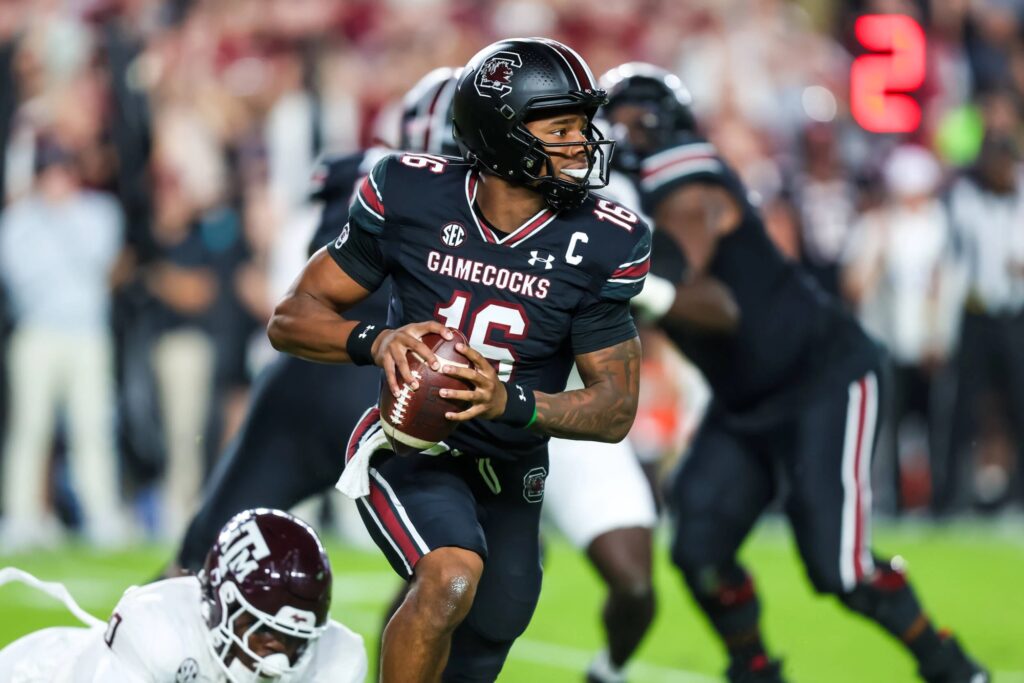
Let’s start with the most interesting situation of the three.
I’ve watched LaNorris Sellers long enough to recognize that his physical abilities are extraordinary. He’s big, strong, athletic, possesses a powerful arm, and can turn a broken play into a significant gain with his legs.
There is absolutely no question in my mind that Sellers has NFL talent.
But having NFL talent and being prepared to play quarterback in the NFL are two entirely different things.
Sellers still has considerable work to do when it comes to reading defenses, progressing through his receivers, recognizing pressure, and understanding when to abandon a play rather than trying to manufacture something that isn’t there.
His physical gifts have allowed him to escape situations that would bury most quarterbacks. Unfortunately, that same ability can become a liability when a quarterback begins relying on athleticism instead of developing the mental discipline required to play the position.
And let’s be fair about something else.
South Carolina hasn’t exactly surrounded Sellers with an offensive environment conducive to developing an elite quarterback. Problems along the offensive line, inconsistent receiver play, and questionable offensive execution have contributed to his struggles.
Which brings me to a question that might make some Gamecock fans uncomfortable.
If Sellers returns to college in 2027, should he remain at South Carolina?
I believe he should return for another season. I’m considerably less certain that returning to South Carolina would necessarily be his best professional decision. I also believe, regardless of where he plays next year, if he returns, he will probably be one of the early leading candidates for the Heisman Trophy to start the season.
Loyalty is admirable. I respect it. But we’re talking about a young man’s professional future and potentially millions of dollars.
If Sellers believes another season in Columbia gives him the best opportunity to improve his game and elevate his draft stock, then he should absolutely remain a Gamecock.
But if another program can provide better protection, better quarterback development, and an offensive system that prepares him more effectively for the NFL, shouldn’t he at least consider that possibility?
That’s not an indictment of South Carolina. It’s simply recognizing the realities of modern college football.
Sellers has the physical tools to become a first-round NFL quarterback. But this year he would be at best a late second round pick . What he needs now is an opportunity to become a complete quarterback.
One more season could make an enormous difference.
My verdict: Return to college. Whether that means South Carolina or another program deserves serious consideration.
Arch Manning, QB, Texas
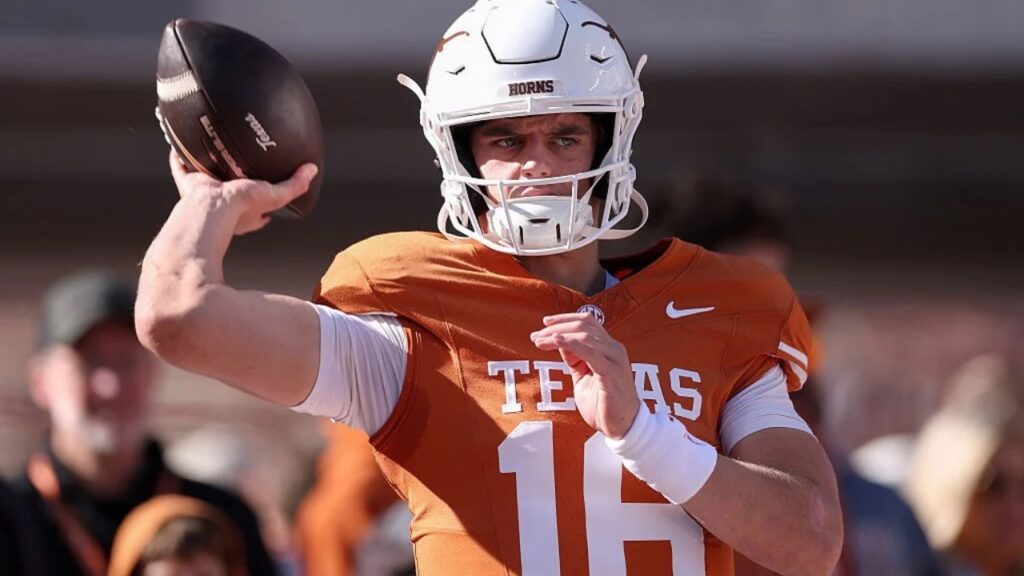
Few quarterbacks have entered college football carrying the expectations placed upon Arch Manning.
When your grandfather is Archie Manning and your uncles are Peyton and Eli Manning, people naturally assume you’re destined for NFL greatness.
But genetics don’t complete passes against NFL defenses.
Manning has demonstrated flashes of the ability that made him one of the most highly regarded quarterback prospects in the country. He possesses a strong arm, good mobility, and the ability to make difficult throws. But the overall package right now looks like he is an average college quarterback.
What he hasn’t demonstrated consistently is the command and decision-making expected from a quarterback being discussed as a potential top-five NFL Draft selection.
There are moments when Manning looks every bit the future NFL star. There are other moments when he looks like a quarterback who still needs considerable development.
And that’s precisely why I believe another year at Texas would benefit him.
The Manning name may open doors, but it won’t keep those doors open if his performance doesn’t justify the expectations.
Manning needs to become more consistent in his reads, improve his decision-making under pressure, and demonstrate that he can control an offense rather than simply produce occasional spectacular plays.
He also needs more experience.
I don’t believe Manning has anything to prove about his bloodline. He has plenty left to prove about his ability to become an elite professional quarterback.
Another season under Steve Sarkisian could provide exactly what he needs. But, like Sellers, he is another player who may benefit from a portal move
My verdict: Return to Texas and concentrate on becoming a complete quarterback rather than a celebrated prospect.
Sam Leavitt, QB, LSU
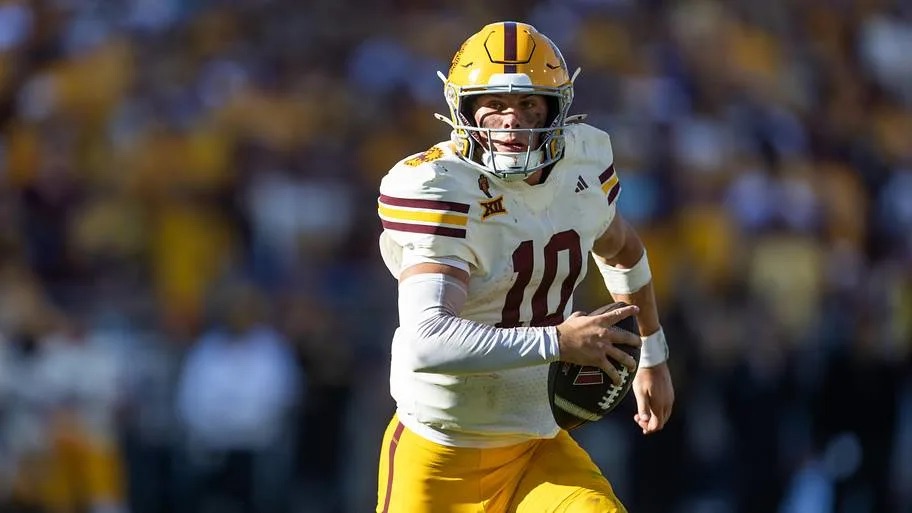
Sam Leavitt is another quarterback whose professional potential may be considerably greater than his present readiness.
Leavitt has the athletic ability, arm talent, and competitive temperament that NFL scouts find attractive. He’s capable of making throws from different platforms and creating opportunities when plays break down.
But there are aspects of his game that remain unfinished.
His decision-making can become inconsistent, particularly when defenses force him beyond his initial reads. Like many talented college quarterbacks, he sometimes attempts throws that simply won’t be available against NFL defensive backs.
The professional game demands precision. Windows close faster, defenders disguise their intentions more effectively, and mistakes that might result in incomplete passes on Saturdays become interceptions on Sundays.
Leavitt needs additional experience recognizing those situations before they develop.
Another season could allow him to improve his pocket discipline, refine his mechanics, and demonstrate that he can consistently operate an offense against quality competition.
There is also something to be said for simply playing more football.
Quarterbacks develop through repetition, mistakes, film study, and experience. There are no shortcuts to mastering the position.
Leavitt possesses the tools to become a successful NFL quarterback. I just don’t believe his development is complete.
My verdict: Return to LSU for another season and improve his draft position through consistent production.
The Bigger Question: Why Rush?
The NFL Draft has become something of an obsession in college football.
Players are evaluated, projected, ranked, and discussed as future professionals before they’ve accomplished everything they should at the college level.
And too often, the conversation centers on where a player might be selected rather than whether he’s prepared to succeed once he gets there.
I think that’s backward.
A first-round selection means very little if a player isn’t prepared to perform at the professional level. Certainly, the financial rewards can be enormous, but so can the consequences of entering the league before a player has developed the necessary skills.
The introduction of NIL money should encourage more players to consider remaining in college.
Why rush into the NFL as a second- or third-round prospect when another season could potentially elevate you into the first round?
Of course, returning isn’t without risk. Injuries happen. Draft stock can decline. And there are situations where leaving early is unquestionably the right decision.
But each player needs to evaluate his circumstances rather than simply follow the excitement surrounding the draft.
For Sellers, Manning, and Leavitt, I believe the potential benefits of another college season outweigh the risks.
All three possess considerable physical talent. All three have the potential to play quarterback professionally. And all three have areas of their game that could benefit from additional development.
The difference between being drafted because of your potential and being drafted because you’ve demonstrated that potential can be worth millions.
And in the case of LaNorris Sellers, there is an additional decision that could become one of the most interesting stories of the offseason.
Does he remain loyal to South Carolina, or does he consider whether another program might provide a better path to his professional future?
As much as Gamecock fans might not want to hear it, that’s a legitimate question.
My advice to all three is simple. Don’t be in such a hurry to get to the NFL that you arrive before you’re ready.
Sometimes the smartest decision a football player can make is to play another year of college football.